
A 5-Email Welcome Sequence for New Podcast Subscribers

A welcome sequence gives each email one job. Email one delivers what they signed up for. Email two tells them how to listen and how often you publish. Email three hands them your single best back-catalog episode. Email four asks one question. Email five invites them somewhere your community already lives. Five emails over roughly twelve days, no more.
The mistake most hosts make is treating the welcome email as a single "thanks for subscribing" note and then going quiet until the next launch. A new subscriber is at their warmest the hour they sign up and cools every day after. The sequence below spends that warmth deliberately: each message moves them one step from "I gave you my email" to "I listen every week and I tell people about you."
What is a podcast welcome email sequence?
A podcast welcome email sequence is an automated set of emails that sends in order after someone subscribes, usually three to seven messages over one to two weeks. Each one does a specific job: deliver the lead magnet, set listening expectations, surface your best episode, ask a question, and invite the subscriber deeper. It runs once and works on every new signup forever.
It is not a newsletter. A newsletter goes out to your whole list on a schedule. A welcome sequence is a drip triggered by a single event, a new subscribe, and every person who joins gets the same five emails on the same relative days, whether they signed up today or next March. You write it once. Your email tool (Beehiiv, ConvertKit, MailerLite, Substack) sends it on autopilot.
The job of the whole sequence is conversion of a different kind than ads talk about: turning a name on a list into a habitual listener. That is the only audience metric that compounds. A subscriber who never presses play is worth almost nothing; one who listens weekly and forwards a clip is worth more than ten followers on any platform.

Why the first two weeks decide everything
The first two weeks decide whether a subscriber becomes a listener because attention decays fast and podcasting punishes silence. Nearly half of podcasts stop publishing at three episodes or fewer Amplifi Media, and the shows that survive are the consistent ones, but consistency on the publishing side means nothing if new subscribers never form a listening habit on their side. The welcome sequence builds that habit while they still care.
Here is the part worth sitting with. Most discovery now happens off the podcast apps entirely: 57% of listeners rely on social media for podcast recommendations, the first time it passed friends and family (InsideRadio, "The State of Video Podcasting 2025"). So a subscriber often finds you through a clip, signs up in a burst of interest, and then has no idea where to actually start. The sequence answers that before the interest fades.
The 5-email sequence (copy-ready)
Work them in order. For each, you get the job, the send day, a subject-line pattern, and what the body should actually do. Swap the brackets for your specifics.
Email 1, Deliver the lead magnet (Day 0, instant)
Job: Give them the exact thing they signed up for, immediately and with zero friction. If you promised a checklist, an episode guide, or a resource, the download link is the first thing they see, not buried under a paragraph of gratitude. Trust starts with delivering on the small promise.
Send: The moment they subscribe. Any delay here reads as broken.
Subject-line pattern: Here's your [lead magnet name] or Your [thing], download inside. Plain beats clever. They expect this email; do not make them hunt for it.
Body, in three lines: the download link or button up top; one sentence on who you are and what the show is about; one line on what email two will bring so they keep you out of spam. If you do not have a lead magnet yet, this email instead delivers your single best clip or episode, but a real magnet converts far better, and building a lead magnet that earns signups is worth doing before you launch the list at all.
Email 2, Set listening expectations (Day 2)
Job: Tell them how to listen, on which app, and how often you publish. New subscribers churn because they never form a where-and-when habit. Name the platform you most want them on (Spotify, Apple, YouTube), give the one-tap follow link, and state your cadence plainly: "New episodes drop every Tuesday morning."
Send: Two days after signup, long enough that email one had its moment, short enough that they still remember subscribing.
Subject-line pattern: How to actually listen to [show name] or Two ways to never miss an episode. The word "how" signals utility, not promotion.
Body: one paragraph naming your publishing day and your home platform, with follow buttons; one line on what a typical episode is like so they know what they are committing to ("30-minute interviews with [topic] people, no ads in the first five minutes"). Set the rhythm now and you stop being a stranger who occasionally appears in their feed.
Email 3, Surface a back-catalog gem (Day 5)
Job: Hand them your single best episode, not your newest, your best. A new subscriber who starts with a weak random episode may never come back. Choose the one episode you would stake the whole show on, write two sentences on why it is special, and link it directly. This is the email that turns a subscriber into a listener.
Send: Day five. By now they have your magnet and your schedule; this gives them a reason to press play today instead of "later."
Subject-line pattern: Start here: the [show name] episode people quote most or If you only hear one episode, make it this one. Specificity ("the one people quote most") beats a generic "check this out."
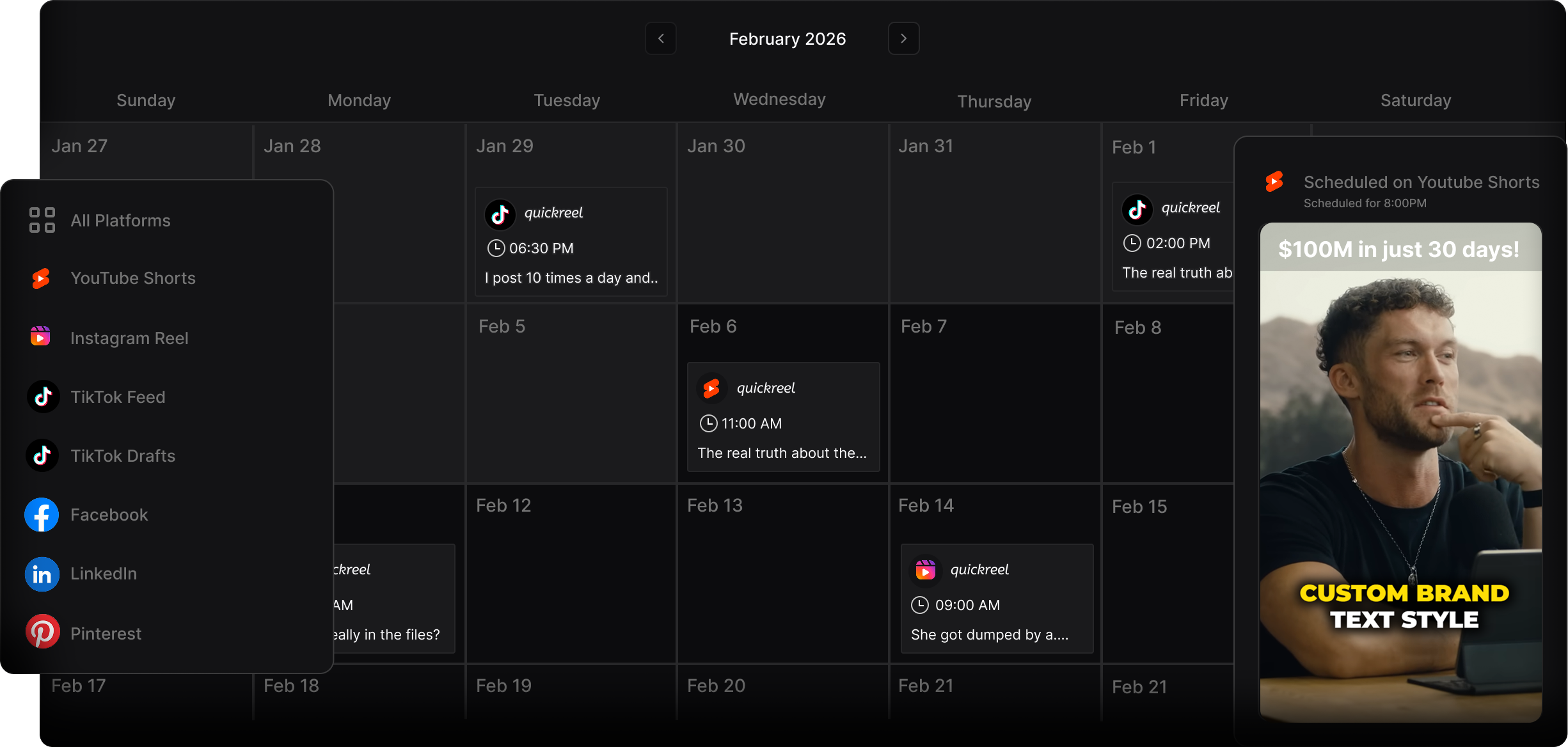
Body: the episode link or embedded clip first; two sentences on the specific moment that makes it great (a guest's confession, a counterintuitive take, a story); a single line of social proof if you have it ("our most-shared episode"). A 30-to-60-second captioned clip of the best moment, pasted right into the email, outperforms a plain text link, most people decide from the clip whether the full episode is worth their commute.
Email 4, Ask one question (Day 8)
Job: Get a reply. One question, answerable in a single sentence, that tells you who is on your list and trains the inbox provider that your emails get engagement. Replies are the strongest deliverability signal there is, and the answers shape future episodes. Ask exactly one thing, never a survey with five fields.
Send: Day eight, once they have had a real episode to react to.
Subject-line pattern: Quick question or What brought you to [show name]?. Short, lowercase-feeling, personal. This should read like a note from a human, not a campaign.
Body: two or three sentences, max. "I'm trying to make [show name] more useful and I'd love to know, what made you subscribe?" Then a real ask to hit reply. Read every answer. The patterns across fifty replies will tell you which episodes to make next, and a list that replies to you is a list that keeps you out of the promotions tab.
Email 5, Invite to the community (Day 12)
Job: Move the most engaged subscribers one rung up, into a space where they talk to each other, not just hear from you. A Discord, a Circle, a private Slack, even a recurring live. Not everyone will join, and that is fine; this email finds your true fans and gives them somewhere to belong.
Send: Day twelve, the end of the sequence. The people who opened all four earlier emails are your warmest fraction, the ones worth a personal invitation now.
Subject-line pattern: Want in? The [show name] [community name] or The conversation happens here. The invite framing ("want in") signals it is optional and a little exclusive.
Body: one paragraph on what the community is and what happens there ("we share clips, vote on guests, and hang out after each episode"); the join link; one honest line on why it is worth their time. If you have not set one up, starting a Discord for your listeners is the lowest-friction option, and choosing between Discord, Circle, and Facebook covers the trade-offs before you commit.
Common mistakes that quietly kill welcome sequences
Most welcome sequences fail in the same five ways. Each has a one-line fix.
- Front-loading every ask into email one. Asking someone to follow, review, join the Discord, and reply in their first email gets none of it done. One job per email is the whole point, resist cramming.
- Sending the newest episode instead of the best. Your latest episode is for your habitual listeners. A brand-new subscriber needs your strongest one. Pick the back-catalog gem deliberately and link the same one for everyone.
- No reply prompt anywhere. A sequence that never asks for a reply trains inbox providers to file you under promotions. Email four exists to fix this. Without a genuine question, your open rates erode every send.
- Gaps that are too long or too short. Five emails in five days feels like spam; five emails over six weeks loses the thread. Roughly every two to three days, tapering, is the rhythm that holds attention without exhausting it.
- Forgetting the sequence ever exists. Write it, turn it on, then never check it. Re-read it every quarter, your best episode changes, your cadence changes, your community link breaks. A welcome sequence pointing at a dead Discord link is worse than none.
Tools to run this on
You need an email platform that supports event-triggered automations, not just broadcasts. Beehiiv, ConvertKit (now Kit), MailerLite, and Substack all run welcome sequences; the first three give you real automation control, while Substack's is simpler and tied to its own reader. For a podcast specifically, pick whichever already holds your list and supports a "new subscriber" trigger. If you are starting from nothing, building a podcast email list from zero covers the signup mechanics that feed this sequence in the first place.
The sequence above assumes you have something to point subscribers at, episodes, a best clip, a community. The hardest of those to produce on a solo schedule is short clips. One 30-minute episode holds enough 30-to-90-second moments to fill email three's "best moment" clip and your social posts for a week, and posting clips consistently can raise discovery reach 2 to 5x (Podcast Studio Glasgow, citing ALM Corp's 2026 social trends). For business shows specifically, the same warm-subscriber logic applies to guests, not just listeners, see why business podcasts grow by booking guests first.
FAQ
How many emails should a podcast welcome sequence have? Five is the sweet spot for most shows: deliver the lead magnet, set expectations, surface your best episode, ask a question, and invite to the community. Three works if you are starting out; seven works only if each email keeps one clear job. Past seven, open rates fall and you are better off moving people to your regular newsletter.
How far apart should the welcome emails be? Roughly every two to three days, tapering toward the end, day 0, day 2, day 5, day 8, day 12. That spacing keeps you present while subscribers are warmest without feeling like spam. Same-day stacking reads as aggressive; week-long gaps lose the thread before the habit forms.
Should the welcome email include a podcast clip? Yes, especially in the "best episode" email. A 30-to-60-second captioned clip lets a subscriber judge whether the full episode is worth their time far faster than a text link, and clips are how most new listeners discover shows in the first place, 57% rely on social media for recommendations (InsideRadio, 2025). Keep clips short and captioned, since many people read email with sound off.
What is the difference between a welcome sequence and a newsletter? A welcome sequence is automated and triggered by a single signup, every subscriber gets the same emails on the same relative days. A newsletter goes to your whole list on a calendar schedule. The sequence builds the listening habit in the first two weeks; the newsletter sustains it afterward. You need both, and the sequence comes first.
Does a welcome sequence actually grow a podcast? Indirectly but reliably. It does not bring new subscribers, it converts the ones you have into habitual listeners and repliers, which is what compounds. A name that never presses play is worth almost nothing; a welcome sequence is the cheapest way to turn signups into people who listen weekly and forward your clips.