
Clip Strategy by Niche: B2B vs. Comedy vs. Story

A clip strategy that works for a comedy show will quietly fail a B2B one, and vice versa. The four levers that matter, how often you post, which moment you cut, how long the clip runs, and what you ask the viewer to do next, should move in opposite directions depending on the show. B2B clips front-load one useful claim and aim for saves. Comedy clips protect a punchline and aim for shares. Narrative clips withhold the resolution and aim for the next episode. Same export tool, three different rule sets.
Most clip advice treats every podcast as the same object: find the good part, cut 60 seconds, add captions, post daily. That works until you apply it to a show it wasn't written for. The sections below give you three playbooks, and a single decision matrix, so you stop borrowing a strategy built for someone else's audience.
Why one clip playbook can't cover every show
Because a clip only travels when it matches what its specific audience does after watching, and that behavior differs by show type. A B2B viewer saves a useful idea; a comedy viewer shares a laugh; a narrative viewer follows for the ending. One playbook optimizes for one of those actions and quietly works against the other two.
The format is worth getting right: clips drive an estimated 20–40% of new audience for video shows and can raise reach 2–5x (Podcast Studio Glasgow), and an entire clipping economy has formed around short-form video, where a single clip can out-reach the source show by a wide margin. That opportunity is also why a generic playbook gets diluted: everyone is cutting the same way, so the clips that travel are the ones tuned to their audience's behavior.
The divergence comes down to what your audience actually does after watching. A B2B viewer is at work, scanning for one idea they can use Monday, they save. A comedy viewer wants to make someone else laugh, they share. A narrative viewer got pulled into a story mid-thread and wants the rest, they follow and binge. Three behaviors, three different clips. Build for the wrong one and you get the views-without-growth problem in clips that convert vs. clips with vanity views: the count moves, the show doesn't.
Here is the whole argument in one frame. Read it, then take whichever column matches your show.
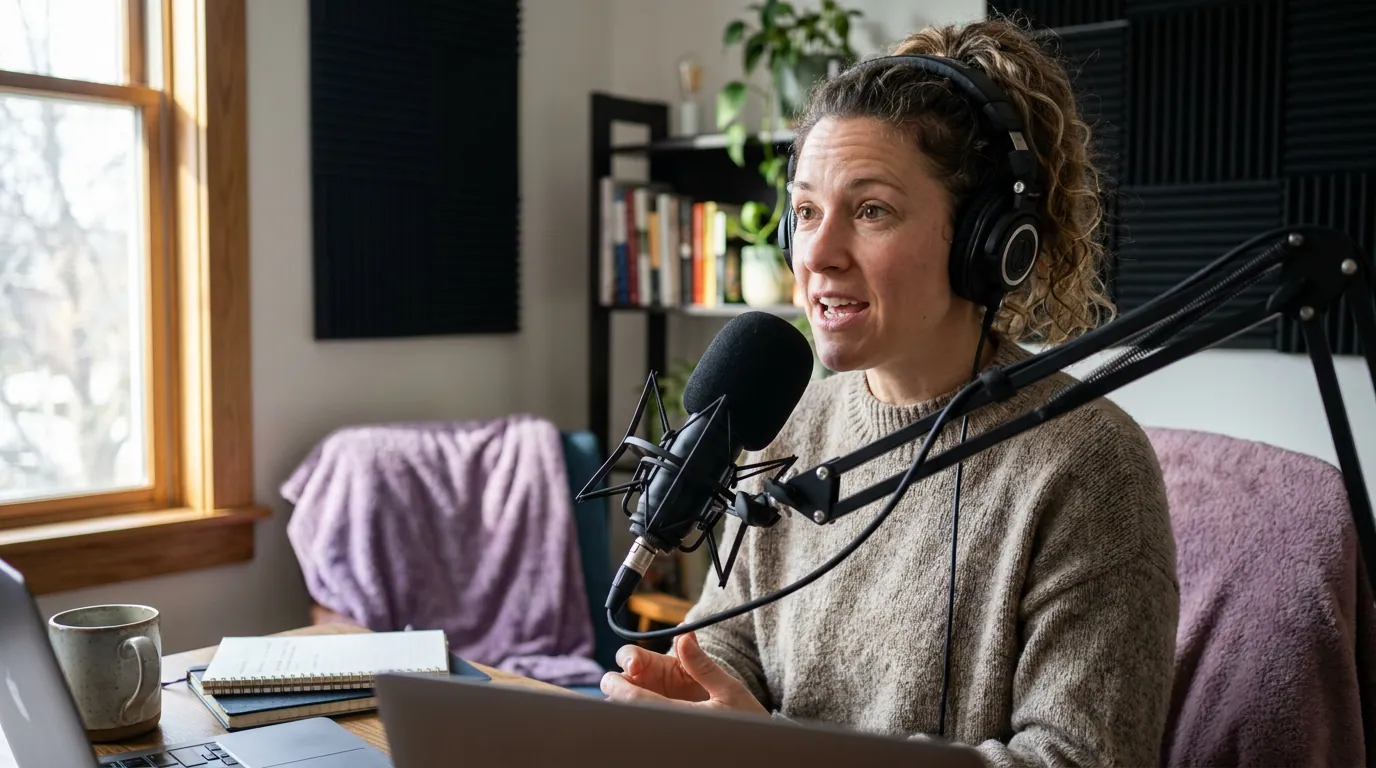
Playbook 1, B2B and interview shows: one claim, optimized for saves
A B2B clip wins when it hands a working professional one idea they can act on, stated in the first three seconds and resolved before they scroll. The target action is a save, not a laugh, your viewer is bookmarking a tactic, not entertaining a friend. Post two to three a week, run 30 to 60 seconds, and lead with the takeaway flat, not the windup.
The mistake B2B hosts make is cutting for the conversation instead of the conclusion. A guest builds an argument over four minutes; the clip should usually be the conclusion plus the one line that earns it, not the build. The first three seconds of a clip are where viewers decide whether to keep watching (Castmagic), and for B2B that hook is almost always the claim itself: "Stop running discovery calls before you've sent the pricing." State it, then justify it.
Three rules that hold for B2B and interview clips:
- Open on the takeaway, not the question. Cut the host's setup. Start where the guest says the thing. If the clip needs the question for context, caption it on screen in two words rather than spending four seconds of audio on it.
- Caption with the specific number or term. B2B viewers scan. A keyword-highlighted caption, the dollar figure, the framework name, the percentage, earns the stop. A large share of social video is watched on mute, publishers told Digiday that 85% of Facebook video was viewed without sound (a 2016 figure, publisher-reported and directional), so the caption is the hook for this audience.
- End with a save prompt, not a follow prompt. "Save this for your next pricing call" converts better than "follow for more" because it matches what the viewer is already doing. Saves also tend to extend a clip's life in the feed, which compounds reach over the slower B2B posting cadence.
Cadence stays low on purpose. B2B audiences are smaller and more selective, and the content has a longer shelf life, a clip about cold-email open rates is as useful in October as in June. Two strong, evergreen clips a week beat seven thin ones, and the LinkedIn and X behavior of B2B clips rewards consistency over volume.
Worked example. A guest spends three minutes explaining why their team killed quarterly OKRs. The lazy cut is the whole explanation. The B2B cut is 38 seconds: open on "We deleted OKRs and shipped faster the next quarter" (the claim), spend 25 seconds on the two reasons that earn it, caption the phrase "weekly commitments" because that's the takeaway someone will search, and end on "Save this before your next planning cycle." One idea, scannable, savable, evergreen.
Playbook 2, Comedy shows: protect the punchline, optimize for shares
A comedy clip lives or dies on timing, and the strategy inverts B2B at almost every lever. You post often, four to seven a week, because comedy is disposable by design and the feed forgets fast. You cut short, 15 to 40 seconds. And you never, ever lead with the punchline. The hook is the setup; the payoff is the reason to stay; the share is the win.
The error that kills comedy clips is treating the funny line like a B2B takeaway and front-loading it. A joke spoiled in the first second has nowhere to go. The attention curve for comedy is the opposite shape: a fast, intriguing setup that creates a small tension, then a release the viewer didn't see coming. Cut to start one beat before the setup and end one beat after the laugh lands, dead air after the punchline is where shares leak, because the viewer's thumb is already moving.
What makes comedy shareable is recognition: the viewer thinks "this is so [my friend]" and sends it. So the moment you cut should be relatable and self-contained, a bit that makes sense to someone who has never heard the show. Unlike B2B, comedy clips do not need to point hard at the source in the first three seconds; over-branding a joke can flatten it. Keep a small persistent show label in a corner, let the bit breathe, and put the show name in the caption and last frame instead.
Higher cadence is the right call here because the cost of a clip missing is low and the upside of one hitting is enormous. Comedy is where raw volume pays, but volume only helps if your conversion shape is right, so fix the cut before you scale the count, the way how A/B testing podcast clips works lets you isolate one variable at a time.
Worked example. A co-host derails a story with a one-line aside that cracks everyone up. The B2B instinct, lead with the funny line, destroys it. The comedy cut is 22 seconds: keep four seconds of the straight setup so the aside has something to undercut, land the line, hold one half-second of the room's reaction, and cut. No tag, no "follow us" overlay covering the moment. The caption reads the punchline a half-beat before it's spoken on muted feeds, then the show name sits in the last frame.
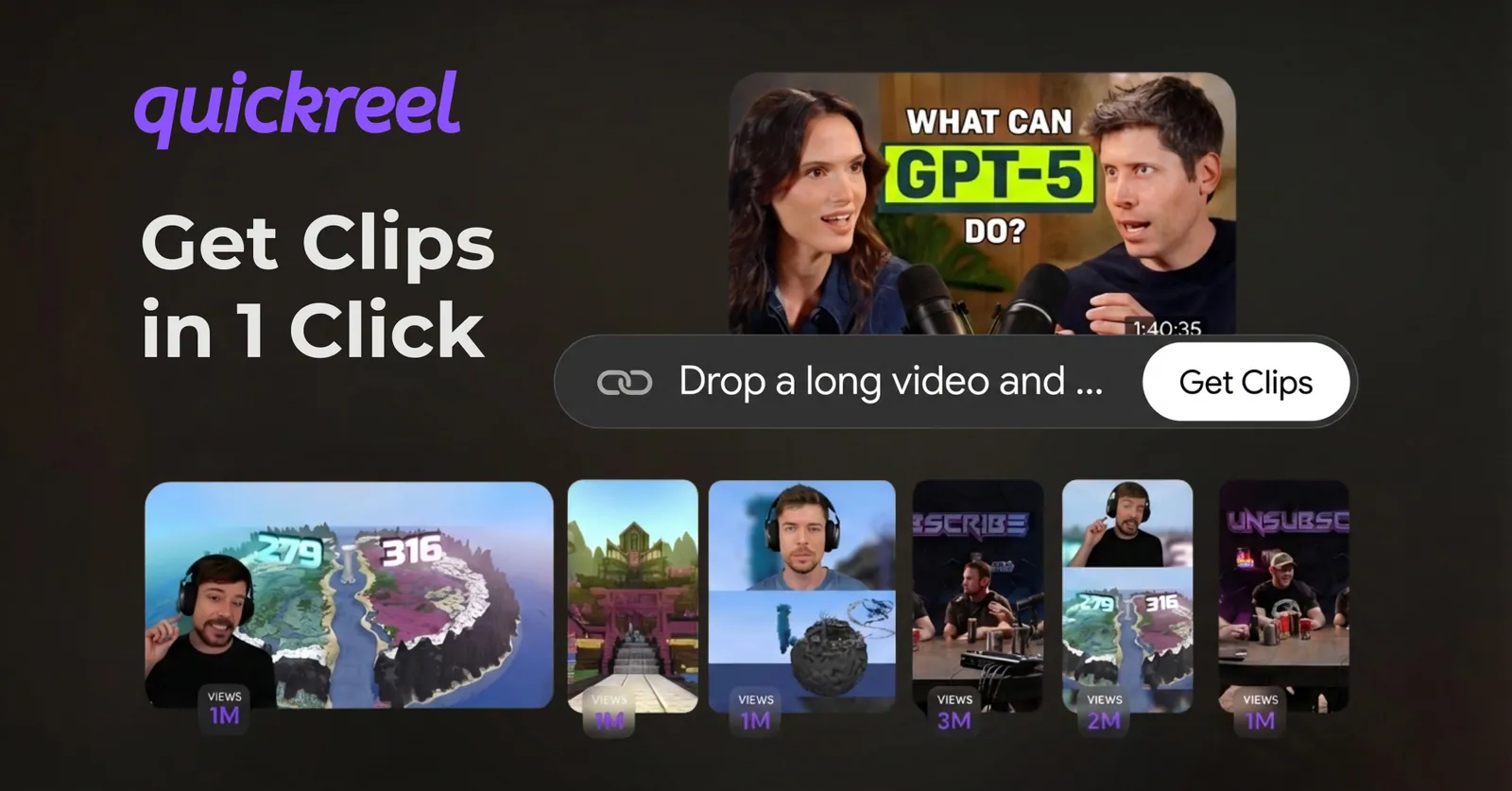

Playbook 3, Narrative and story shows: withhold the resolution, optimize for follows
A narrative clip works by starting a story it refuses to finish. The target action is a follow or a binge, because the only way to get the resolution is the full episode. You post less often, one to three a week, run longer, 45 to 90 seconds, and the hook is a stakes line or an open question, never the answer. This is the playbook most one-size guides get most wrong, because the standard advice ("cut the best, most complete moment") is exactly the move that kills a story clip.
For interview-driven and documentary-style shows, the moment to cut is the cliffhanger, not the climax. Open in the middle of tension, "And that's when I realized the wire transfer had already gone through", give enough to make the situation legible, and cut a beat before the payoff. The viewer who needs to know what happens next is the viewer who follows. Length runs longer than the other two playbooks because a story needs room to establish stakes; a 15-second narrative clip usually has no time to make anyone care.
Three rules specific to narrative and story clips:
- Lead with the stakes, withhold the outcome. The first line should make the viewer need the ending. Then deny it. "Full story on [show]" in the last frame is the bridge, and it converts because the clip created a genuine open loop.
- Use captions to carry the thread, not just the words. Narrative clips often span a few sentences of context. Clean, well-paced captions keep a muted viewer oriented; a confusing caption breaks the story and the follow with it.
- Pick fewer, stronger moments per episode. A story episode might yield only two or three real cliffhangers. Cutting twenty thin clips to hit a daily quota dilutes the brand and trains nobody to follow. This is the niche where low cadence is a feature, not a compromise, and where picking the best AI-suggested clips matters most, because the tool will surface complete moments by default and you have to override it.
Worked example. An interview reaches the moment a guest describes the night their company nearly collapsed. The complete cut runs through the rescue and resolves, satisfying, and it converts almost nobody, because there's nothing left to want. The narrative cut is 70 seconds: open on "I had nine days of payroll left and one investor who'd stopped answering," establish the stakes, build to the phone ringing, and cut on "I picked up, and, ". Last frame: "How it ended, full episode on [show]." The viewer who needs the ending is now a follower.
Narrative is also where clips do the most for discovery relative to volume. Social feeds have become a leading way listeners find new shows, so a single well-cut cliffhanger that gets shared into the right group can outperform a week of B2B clips on follows, because a story that grabs someone makes them want all of it at once.
Common mistakes when you borrow the wrong playbook
- Front-loading a story like a B2B takeaway. Stating the resolution up front gives the narrative viewer nothing to chase. Lead with stakes, end on a hook.
- Spoiling a punchline by cutting for "completeness." A complete joke is a dead joke. Cut the setup, protect the payoff, and trim the dead air after the laugh.
- Posting B2B clips at comedy cadence. Seven thin B2B clips a week burn your evergreen ideas and slip in quality. Two strong, savable ones outperform, cadence should match the niche, which is the larger point in how many clips per week actually grows a podcast.
- Using one CTA for all three. "Follow for more" under a B2B save-moment, or "save this" under a punchline, fights the action the viewer already wants to take. Match the ask to the niche's target action.
- Chasing the viral comedy hit on a B2B show. A clip that gets shares but no saves teaches you nothing about your actual audience. Read the right signal per niche, the way clips that convert vs. vanity views lays out.
Where the tools fit
Picking the right moment is judgment, and it changes by niche, but producing the cut is mechanical, so speed helps most at that step. An AI clipper finds candidate moments and captions them so you can test a claim-first cut against a setup-first cut without editing each one by hand; how AI clip detection actually works covers the mechanism. Be aware that detection tends to favor complete moments by default, which suits B2B, under-serves comedy timing, and actively works against narrative cliffhangers, so every AI clipper still needs roughly 20–40% human review, and on story shows that review is where most of the strategy lives. QuickReel, Opus Clip, and most modern tools detect a similar set of moments; the useful question is which one removes the most clicks between a YouTube URL and a finished, captioned clip you can cut three different ways.
FAQ
Does clip strategy really change by podcast niche? Yes, across all four levers. B2B clips post 2–3 a week, lead with a claim, run 30–60 seconds, and aim for saves. Comedy posts 4–7 a week, protects a punchline, runs 15–40 seconds, and aims for shares. Narrative posts 1–3 a week, withholds the resolution, runs 45–90 seconds, and aims for follows.
How do I cut a clip for a B2B podcast? Open on the takeaway, not the host's question. State the one useful claim in the first three seconds, then deliver the proof. Caption the specific number or term, since most B2B viewing is muted and scanned, and end with a save prompt rather than a follow prompt.
What's the best clip length for a comedy podcast? Short, roughly 15 to 40 seconds. Comedy clips lose shares to dead air, so start one beat before the setup and end one beat after the punchline. Never lead with the joke itself; the setup is the hook and the payoff is the reason to stay.
How are narrative or story clips different? They withhold the ending. Open on the stakes or an open question, give just enough context to make the situation legible, and cut a beat before the resolution. The viewer who needs to know what happens follows or binges the full episode, which is the conversion narrative clips are built for.
Should I post the same number of clips for every show type? No. Cadence should match the niche. Comedy rewards volume because each clip is cheap and disposable; B2B and narrative reward fewer, stronger, more evergreen clips. Posting daily on a story show usually dilutes the brand and trains nobody to follow.