
Your First 3 Seconds Are Losing Viewers: Hook Fixes

Open your clip's retention graph before you touch the opening. The curve's shape tells you which fix it needs: an instant cliff means the first frame is wrong, a slow bleed means there's dead air to trim, and a mid-clip dip means the hook over-promised. Match the shape to the repair below instead of guessing.
Most advice about clip openings stops at "make a strong hook." That's not a fix, it's a wish. The useful move is to read the one diagnostic you already have. Every platform shows you an audience-retention curve for each clip, and the place where viewers leave is not random. It's a fingerprint. Once you can name the three shapes that fingerprint takes, the repair stops being a guess and becomes a checklist.
Why the first three seconds decide the clip
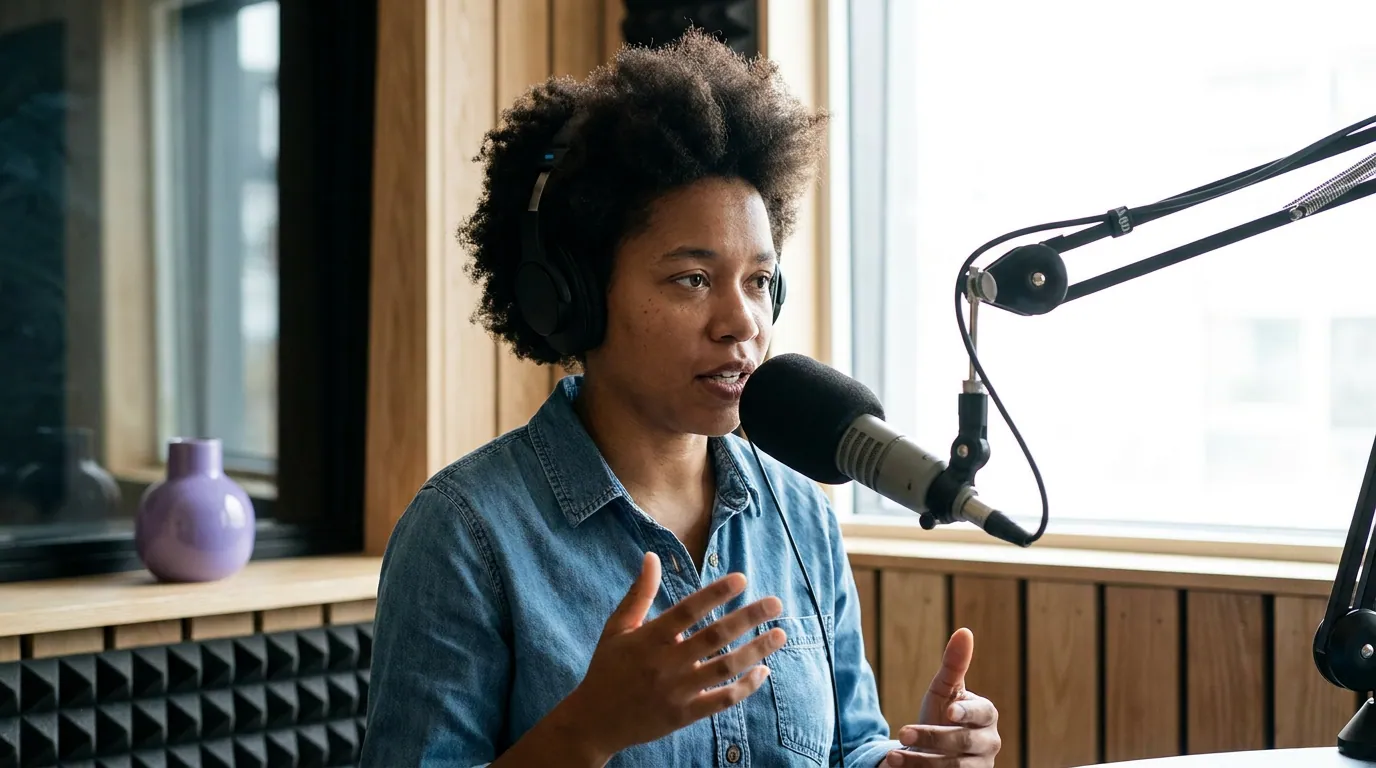
The opening is where a scroll becomes a watch or doesn't. Castmagic puts it flatly: the opening three seconds of a clip are critical for social-media performance. There's a distribution reason that matters too, 42% of podcast listeners discover new shows through social channels (castmagic, citing Spotify), so a clip's opening is often a stranger's first contact with the show. Clips that lose the viewer at second one never get the chance to deliver the line that would have earned the follow.
That mute number is the reason the opening matters more than the rest. Most social video is watched silently, Digiday reported as much as 85% of Facebook video played without sound back in 2016, citing multiple publishers, so your first three seconds are usually read, not heard. If the opening caption card says nothing a stranger cares about, the audio never gets a turn. The platform-by-platform nuances of that first frame live in the first three seconds by platform; this piece is about diagnosing which fix yours needs.
Read the shape of your drop-off curve
A retention curve is just a line that starts at 100% and falls as people leave. Where and how fast it falls in the first few seconds is the whole diagnosis. Three shapes cover almost every failing clip, and each points to a different cause.
Instant cliff. The curve drops nearly straight down in the first second, a steep chunk of viewers gone before anyone hears a word. This is a first-frame problem. The opening image or caption gives the scroller no reason to stop, so they don't.
Slow bleed. The curve declines steadily across the first five seconds instead of holding flat. Viewers are giving you a chance and slipping away one by one. This is almost always a pacing problem: a slow lead-in, a greeting, or dead air before the point arrives.
Mid-clip dip. The curve holds for two or three seconds, then drops. The opening worked, people stayed, and then the clip failed to pay off the curiosity it created. The hook wrote a check the body didn't cash.
If your clip simply gets no impressions at all, the curve isn't the problem, distribution is. That's a different diagnosis, covered in why your podcast clips get no views.
Fix 1, The instant cliff: rebuild the first frame
The cliff is a muted-viewer failure. The first thing on screen has to do one job: make a stranger curious in under a second, with the sound off.
- Lead the caption with the curiosity, not the context. "Here's why I quit" beats "So a few years ago." The opening caption card is your headline. Write it like one.
- Cut to a face or motion on frame one. A static title card or a wide two-shot reads as "ad" and gets scrolled. Open on a speaker mid-expression.
- Kill the platform's worst first frame. If your clip opens on a black frame or a logo sting, the scroller sees nothing and leaves. Trim it.
- Confirm the aspect ratio isn't hiding the hook. A face cropped off the top in a vertical export reads as a mistake in frame one. If yours is, fix the framing first, see fixing the wrong aspect ratio.
A cliff usually means the AI or the editor started the clip at a clean cut point that happens to be visually dead. Move the start to the first second where something is happening on screen and the curve stops falling off the edge.
Fix 2, The slow bleed: cut the lead-in
The bleed is the most common failure and the easiest to fix, because the cause is almost always extra seconds at the front. Speakers warm up. They restate the question, set context, hedge, then land the point. Every one of those seconds is a place to leak a viewer.
Run this trim on any bleeding clip:
- Cut every "so," "um," "yeah," and "I think" at the front. Filler words are the cheapest seconds to delete and they buy the most retention.
- Delete the restated question. If the speaker repeats the host's question before answering, cut to the answer. The caption can carry the question if it's needed at all.
- Find the first sentence that would survive on its own. Start the clip there. Everything before it is warm-up.
- If the strongest line is buried deeper, re-order rather than trim. Move the payoff to the front and let the setup follow as explanation. The full re-order move and why AI buries the hook in the first place are in how AI picks your clip's first three seconds.
A slow-bleed clip rarely needs new footage. It needs one to four seconds removed from its front.
Fix 3, The mid-clip dip: make the body cash the hook
The dip is the trickiest because the opening did its job. People stopped, watched two or three seconds, then left, which means the hook promised something the body didn't deliver. There are two honest fixes and one tempting mistake.
- Match the hook to the actual payoff. If your opening caption says "the one mistake everyone makes" and the clip never names a specific mistake, the viewer feels baited and bails. Rewrite the hook to promise exactly what the clip delivers.
- Tighten the gap between promise and payoff. Even a true hook fails if the viewer has to wait eight seconds for it. Trim the middle so the promised moment arrives faster.
- Don't escalate the hook to plug the dip. Making the opening louder when the body is weak just moves the dip later. If the moment doesn't earn the watch, it isn't a clip, cut it and pick a stronger one. Picking moments that actually hold is its own skill, covered in how to pick the best AI-suggested clips.
A clip that bleeds in the body, not the opening, may also just be visually flat, same talking head, no movement, no cuts. If the dip starts after a strong open, the movement fixes for boring clips are the next thing to try.
The hook-repair checklist
Run this on any clip that underperforms. It takes a minute and points to the fix instead of leaving you to guess.
| Curve shape | What it means | The fix |
|---|---|---|
| Instant cliff (drops in second 1) | Wrong first frame; muted viewer sees nothing | Lead the caption with curiosity; open on a face/motion; cut dead first frames |
| Slow bleed (steady decline 0–5s) | Slow lead-in, filler, restated question | Trim the warm-up; start on the first standalone sentence |
| Mid-clip dip (holds, then drops) | Hook over-promised the body | Match hook to payoff; shorten the gap; or cut the clip |
The thread tying all three together: the first three seconds are read silently and decided fast, so the opening has to carry a specific, true promise on frame one. Diagnose by shape, fix the named cause, and re-check the curve on the next post.
FAQ
How do I know if my clip's hook is the problem? Open the retention graph. If the curve drops in the first one to five seconds, the opening is the problem; if it holds flat through the opening and falls only later, the issue is the body or the topic, not the hook. The shape of that early drop tells you which of the three fixes to apply.
What's the ideal length for a clip's opening line? Short enough to read as one caption card before the viewer's thumb moves, usually three to seven words. The opening should state a specific curiosity ("here's why I quit") rather than context ("so a few years ago"). Save the explanation for after the viewer has committed.
Should I add text or graphics to fix a weak opening? A clear opening caption helps because most social video is watched on mute (Digiday reported ~85% of Facebook video played silently, a directional, publisher-reported figure). Graphics that delay the first spoken point hurt. Add a caption that carries the hook; don't add a title card that pushes the payoff later.
Why does my AI clipper keep starting clips on the warm-up? AI clippers start at clean topic and pause boundaries, which are usually the speaker's warm-up, not the strongest line. That's a predictable cause of slow-bleed openings. The fix is the trim or re-order above, and the mechanics of why it happens are in how AI picks your clip's first three seconds.
Do clips really drive enough audience to be worth this effort? Clips are credited with 20–40% of new audience for video shows and can raise reach two to five times (Podcast Studio Glasgow). That growth depends on the opening doing its job, so a one-minute hook check on each clip is among the highest-return edits you can make.